A capable reciprocating saw can make quick work of demolition, pruning, pipe cutting, and remodeling without requiring a large tool budget. This roundup compares 10 options priced under $100, including corded, cordless, compact, and manual designs.
Pay close attention to power source, stroke speed, battery availability, included blades, and handling comfort before choosing. The best option depends on whether you prioritize portability, sustained cutting power, or the lowest upfront cost.
Table of Contents
- Best 10 Reciprocating Saws Under 100 Picks for 2026
- Best Cordless Value – BLACK+DECKER 20V MAX Reciprocating Saw
- Best Corded Power – Skil 7.5-Amp Variable Speed Reciprocating Saw
- Best Complete Cordless Kit – SEESII Brushless Reciprocating Saw
- Best All-Around Corded Pick – GALAX PRO 6.0-Amp Reciprocating Saw
- Best for Easy Setup – RYOBI ONE+ PCL515B
- Best Corded Kit – 7 Amp Reciprocating Saw
- Best Complete Cordless Set – FULLYEA 21V Saw
- Best with Extra Features – 7-Amp Variable-Speed Reciprocating Saw
- Best Compact Cordless – Fanttik R11 Pro Mini Reciprocating Saw
- Best Manual Value – 13-Piece Multi-Purpose Hand Saw Set
- How We Picked the Best Reciprocating Saws Under 100
- Quick Comparison
- Key Buying Factors for Reciprocating Saws Under 100
- Who Should Buy Which Reciprocating Saws Under 100?
Best 10 Reciprocating Saws Under 100 Picks for 2026
Best Cordless Value
BLACK+DECKER 20V MAX Reciprocating Saw

- Cordless 20V kit with battery and charger
- Tool-free blade change and pivoting shoe
- Variable-speed trigger for controlled cuts
Best For: Homeowners seeking a ready-to-use cordless wood-cutting saw
Best Corded Power
Skil 7.5-Amp Variable Speed Reciprocating Saw
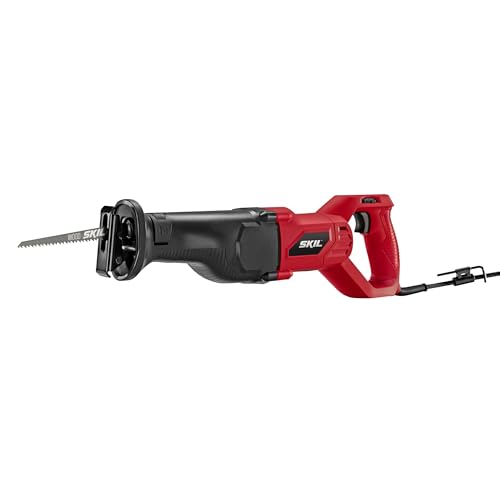
- Powerful 7.5-amp corded motor
- Metal gear housing for ruggedness
- Counterbalance and pivoting foot improve stability
Best For: Workshop users who prioritize sustained outlet-powered cutting
Best Complete Cordless Kit
SEESII Brushless Reciprocating Saw

- Two 4.0Ah batteries and six blades included
- Brushless motor with up to 3,500 RPM
- LED light and tool-free blade changes
Best For: DIY users wanting a versatile, accessory-rich cordless package
Best for Easy Setup

- 3,400 SPM variable speed
- Portable 18V cordless design
- Bare tool; battery not included
Best For: DIY users with compatible 18V batteries
Best Complete Cordless Set

- Two 2.0Ah batteries and charger
- 0–3,500 SPM stepless control
- 28mm stroke for multiple materials
Best For: DIYers wanting a ready-to-use cordless kit
Best Compact Cordless
Fanttik R11 Pro Mini Reciprocating Saw
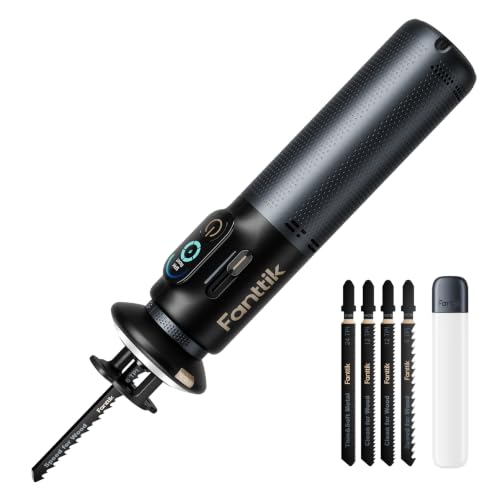
- Compact cordless design with built-in USB-C charging
- 160W brushless motor and 0–2200 SPM control
- Includes five 4-inch blades for wood and PVC
Best For: Portable light-duty DIY and outdoor cutting
Best Manual Value
13-Piece Multi-Purpose Hand Saw Set

- One ergonomic handle with 12 assorted blades
- Tool-free quick-change blade locking design
- Compact kit includes a canvas storage pouch
Best For: Manual cutting in tight spaces and occasional DIY repairs
Best Cordless Value – BLACK+DECKER 20V MAX Reciprocating Saw
For shoppers comparing reciprocating saws under 100, the BLACK+DECKER BDCR20C is a practical cordless kit with a 20V battery, charger, and blade included. Its tool-free blade change, pivoting shoe, and variable-speed trigger support controlled cutting for common wood projects.
Best For: Homeowners who want a ready-to-use cordless saw for wood cutting and general DIY work.
Pros:
- Cordless 20V design includes one lithium-ion battery and charger.
- Tool-free blade change simplifies blade swaps.
- Pivoting shoe and variable-speed trigger improve control.
- Two-year limited warranty is included.
Cons:
- The supplied surface recommendation is wood, so users may need different blades for other materials.
- Only one battery is included.
- At 4.5 pounds, it is not the lightest option listed.
This is a sensible pick when portability matters and you want a complete kit rather than a bare tool. Its included battery and charger make it especially convenient for occasional DIY use.
Best Corded Power – Skil 7.5-Amp Variable Speed Reciprocating Saw
Among reciprocating saws under 100, the SKIL 9206-02 stands out for users who prefer continuous corded power. Its 7.5-amp motor, variable-speed operation, metal gear housing, and pivoting foot are suited to demanding DIY cutting tasks.
Best For: Workshop and home users who have reliable access to an outlet and want sustained cutting power.
Pros:
- 7.5-amp motor delivers substantial corded power.
- Tool-less blade changes make setup faster.
- Counterbalance helps control vibration.
- Heavy-duty metal gear housing supports durability.
Cons:
- Corded operation limits mobility compared with cordless models.
- At 7.1 pounds, it is the heaviest product in this selection.
- The package includes one wood-cutting blade.
The SKIL is a straightforward choice for longer cutting sessions where outlet access is not an issue. Its vibration-control design and pivoting foot add stability, while the corded motor avoids battery-management concerns.
Best Complete Cordless Kit – SEESII Brushless Reciprocating Saw
For buyers seeking reciprocating saws under 100 with extensive accessories, the SEESII kit combines a brushless 200W motor with two 4.0Ah batteries, six blades, a fast charger, and a storage bag. Its variable speed, LED work light, and tool-free blade change add convenience for varied projects.
Best For: DIY users who want a lightweight cordless kit for wood, PVC, and metal cutting.
Pros:
- Includes two 4.0Ah batteries and a fast charger.
- Brushless motor reaches up to 3,500 RPM.
- Six blades support wood, plastic, and metal applications.
- LED light, safety lock, and tool-free blade change improve usability.
Cons:
- The listed item weight is 3.48 kg, despite the product description emphasizing lightweight use.
- Battery specifications may require confirming compatibility and runtime expectations.
- The product listing identifies a limited warranty without detailing its duration.
This kit offers the broadest accessory package in the group and is convenient for users starting without batteries or blades. The brushless motor and two-battery setup are useful for projects that may extend beyond a single charge.
Best All-Around Corded Pick – GALAX PRO 6.0-Amp Reciprocating Saw
The GALAX PRO is a practical option among reciprocating saws under 100 for cutting wood, metal, PVC, and other listed materials with corded consistency. It combines a 6.0-amp copper motor, variable speed, a 1-1/8-inch stroke, pivoting shoe, and multiple blades.
Best For: DIY renovators, plumbers, and contractors who need a corded saw for mixed-material cutting.
Pros:
- 6.0-amp motor delivers up to 3,000 SPM according to the product description.
- Includes two wood blades and three metal blades.
- Tool-less chuck, pivoting shoe, and lock-on button support convenient operation.
- Heat-dissipation and cooldown features are designed for extended use.
Cons:
- Corded AC operation requires access to an outlet.
- Only a one-year warranty is specified.
- The listed speed varies between 2,800 RPM in the details and up to 3,000 SPM in the description.
The GALAX PRO is well suited to users who value material versatility and included blades over cordless portability. Its adjustable shoe, ergonomic grip, and mixed blade selection make it a capable general-purpose job-site or renovation tool.
Best for Easy Setup – RYOBI ONE+ PCL515B
For shoppers comparing reciprocating saws under 100, the RYOBI ONE+ PCL515B is a compact battery-powered option with variable speed up to 3,400 SPM and a 1-inch stroke. Keep in mind that this listing is for the bare tool, so the battery is not included.
Best For: DIY users who already own compatible 18V batteries and want a lightweight tool for general cutting jobs.
Pros:
- Up to 3,400 SPM variable-speed cutting.
- 18V cordless design for portability.
- Compact 3.8-pound bare-tool format.
Cons:
- Battery and charger are not included.
- Supplied details list a 1-inch stroke, shorter than some competing models.
The PCL515B makes the most sense within the RYOBI ONE+ battery ecosystem. Its high speed and manageable weight suit routine DIY work, but buyers starting from scratch should budget separately for a compatible battery and charger.
Best Corded Kit – 7 Amp Reciprocating Saw
Among reciprocating saws under 100, this 7-amp corded model stands out for its included accessories and flexible handling. It combines a 1-1/8-inch stroke, up to 2,800 SPM, a rotating handle, and blades for wood, metal, and pruning.
Best For: Home improvement, pruning, and demolition tasks where continuous corded power and a ready-to-use kit are useful.
Pros:
- 7-amp motor with 850 watts of power.
- 180-degree rotating handle helps with awkward cutting positions.
- Includes six blades, a carry bag, and replacement carbon brushes.
- Tool-free adjustable pivoting shoe and quick-change chuck.
Cons:
- Corded operation limits mobility.
- Requires access to an electrical outlet.
This model offers a broad feature set for the money, especially if you need blades immediately. The corded design is less convenient outdoors or away from outlets, but it avoids battery runtime concerns during longer projects.
Best Complete Cordless Set – FULLYEA 21V Saw
If you want reciprocating saws under 100 with batteries included, the FULLYEA 21V model provides a complete portable setup. It offers stepless speed control from 0 to 3,500 SPM, a 28mm stroke, two 2.0Ah batteries, and blades for several materials.
Best For: DIYers who need a ready-to-use cordless saw for wood, metal, plastic, and branch cutting.
Pros:
- Includes two 2.0Ah batteries and a fast charger.
- Stepless trigger control from 0 to 3,500 SPM.
- 28mm stroke supports cutting wood, metal, plastic, and branches.
- Tool-free blade change, LED light, and portable tool box included.
Cons:
- Supplied details indicate compatibility with Makita batteries, which buyers should verify.
- Included battery capacity is 2.0Ah per battery.
The FULLYEA package is appealing when you need the saw, batteries, charger, blades, and storage in one purchase. Its cordless convenience and variable speed make it versatile for routine projects, while the included accessories reduce setup costs.
Best with Extra Features – 7-Amp Variable-Speed Reciprocating Saw
If you want one of the more powerful reciprocating saws under 100 for workshop and home projects, this corded model offers an 850W, 7A motor, variable-speed control, and five included blades. Its corded design suits users who prefer consistent power over battery portability.
Best For: Home cutting, woodworking, furniture repair, and projects involving wood, metal sheets, or PVC.
Pros:
- 850W, 7A motor provides substantial corded cutting power.
- 0–2800 RPM variable-speed trigger adapts to different materials.
- Includes five blades for wood, metal, and stainless steel.
- 360° rotating handle button can improve handling flexibility.
Cons:
- Corded operation limits portability and requires access to an outlet.
- The supplied information does not specify the saw’s weight.
This is a practical pick when cutting power and included accessories matter more than cordless convenience. The quick-release blade mechanism and replacement carbon brushes add useful maintenance and setup flexibility.
Best Compact Cordless – Fanttik R11 Pro Mini Reciprocating Saw
For shoppers comparing reciprocating saws under 100 for portability, the Fanttik R11 Pro is a compact cordless option with a brushless motor, stepless speed control, and built-in USB-C charging. Its small format is designed for controlled DIY cutting rather than heavy-duty demolition.
Best For: Portable DIY and outdoor cutting of wood or PVC, especially where a compact tool and cordless operation are useful.
Pros:
- Compact 8.92-by-2.4-inch design is easy to store and carry.
- 160W brushless motor with 0–2200 SPM stepless speed control.
- Built-in 14.8Wh battery supports Type-C fast charging.
- Includes five 4-inch jigsaw blades and a tool-free blade-change system.
Cons:
- Recommended maximum cutting thickness is 3/4 inch.
- Blade compatibility is limited to T-shank blades up to 1.4mm thick and 3–4 inches long.
- Intended surfaces are wood and PVC rather than general-purpose heavy-duty cutting.
The R11 Pro makes the most sense for light, controlled cuts where low weight and easy charging are priorities. Pressing the shoe firmly against the workpiece is important for stability and reduced vibration.
Best Manual Value – 13-Piece Multi-Purpose Hand Saw Set
If you need reciprocating saws under 100 for occasional cuts without batteries, cords, or power tools, this manual set offers an ergonomic handle and 12 assorted blades. The compact design is particularly useful in tight spaces where an electric saw may be difficult to position.
Best For: Manual cutting of wood, metal, drywall, plastic, PVC, bolts, and branches in compact or hard-to-reach areas.
Pros:
- 13-piece kit includes one handle and 12 assorted blades.
- Tool-free quick-change design speeds up blade swaps.
- Compact format can reach narrow gaps, under sinks, and between studs.
- Canvas storage pouch keeps blades organized and portable.
Cons:
- Manual operation requires more physical effort than an electric saw.
- Cutting speed and power depend on the user.
- The set is not suited to users specifically seeking powered reciprocating-saw performance.
This kit is a sensible low-maintenance choice for plumbers, electricians, DIYers, and anyone who wants a backup saw for quick jobs. Its assorted blades and compact storage make it versatile, though it trades powered speed for simplicity.
How We Picked the Best Reciprocating Saws Under 100
We selected these Reciprocating Saws Under 100 based on the features that matter most for budget-conscious buyers: cutting performance, variable-speed control, stroke length, power source, ergonomics, included accessories, and overall versatility. The list includes established tool brands alongside lower-cost alternatives, so shoppers can compare different approaches to cordless convenience and corded power.
Because prices and packages can change, verify the current listing for battery inclusion, charger requirements, warranty coverage, and blade contents before ordering. Tool-only models may be a strong value for buyers who already own a compatible battery platform but less economical for first-time cordless shoppers.
Quick Comparison
| Type | Best suited for | Main advantage | Trade-off |
|---|---|---|---|
| Cordless saw | Mobile DIY and outdoor work | No power cord | Runtime and battery costs |
| Corded saw | Extended demolition and remodeling | Consistent power | Requires an outlet |
| Compact cordless saw | Light cutting and tight spaces | Easy handling | Less capacity for heavy work |
| Manual hand saw | Occasional cuts and emergency use | No electricity required | Slower and more labor-intensive |
Key Buying Factors for Reciprocating Saws Under 100
Power Source and Runtime
Corded models are usually the better choice for long demolition sessions because they deliver continuous power. Cordless models are easier to use outdoors or away from outlets, but compare battery capacity, charging time, and whether a battery and charger are included. A tool-only saw is most practical within an existing battery system.
Speed, Stroke Length, and Control
Higher strokes per minute can speed up cutting, while variable-speed triggers help prevent splintering and improve control in metal, PVC, and delicate materials. A longer stroke may remove material faster, but it can also increase vibration. Look for a controllable trigger rather than focusing on maximum speed alone.
Comfort and Safety
Consider grip shape, weight, balance, vibration, and the position of the shoe against the workpiece. A pivoting or adjustable shoe can improve stability and blade life. Always use eye and hearing protection, secure the material, select the correct blade, and disconnect the battery or power before changing accessories.
Blades and Intended Materials
Included blades can add value, but check whether they are designed for wood, metal, PVC, or pruning. Blades are consumables, so confirm that replacements are readily available. For frequent heavy cutting, prioritize a sturdy blade clamp and a reputable replacement-blade ecosystem.
Who Should Buy Which Reciprocating Saws Under 100?
Choose a corded model if you are tackling repeated demolition, remodeling, or thick stock near an outlet. Pick a cordless kit if portability and outdoor work matter most, especially when it includes batteries and a charger. A tool-only model makes sense for users already invested in the matching battery platform.
Compact cordless designs suit light-duty trimming, small repairs, and tight spaces. A manual saw set is appropriate for occasional cuts where noise, charging, or electrical access is a concern. For general DIY use, prioritize balanced handling and variable speed over the highest advertised RPM or SPM.