The best car GPS devices for daily driving can make commutes, errands, and unfamiliar routes easier while adding useful visibility into a vehicle’s location, mileage, or driving behavior.
This roundup includes dedicated Garmin navigators, large-screen GPS units for cars and RVs, and compact vehicle trackers with different setup and subscription requirements.
Table of Contents
- Best 10 Car Gps Devices for Daily Driving Picks for 2026
- Best Connected Navigator – Garmin DriveSmart 66
- Best for Mileage Tracking – Benbengo OBD GPS Tracker
- Best Large-Screen Navigator – Garmin DriveSmart 76
- Best for Vehicle Health Monitoring – Bouncie GPS Tracker
- Flexible Navigator – 7-Inch GPS Navigator
- Trusted Road Companion – Garmin Drive 53
- Connected Vehicle Monitor – Optimus OBD GPS Tracker
- Versatile Route Planning – 7-Inch GPS Navigator
- Low-Cost Vehicle Security – No-Subscription Car Tracker
- Trusted Everyday Navigation – Garmin Drive 53 GPS Navigator
- How We Picked These Car Gps Devices for Daily Driving
- Quick Comparison
- Key Buying Factors for Car Gps Devices for Daily Driving
- Who Should Buy Which Car Gps Devices for Daily Driving?
Best 10 Car Gps Devices for Daily Driving Picks for 2026
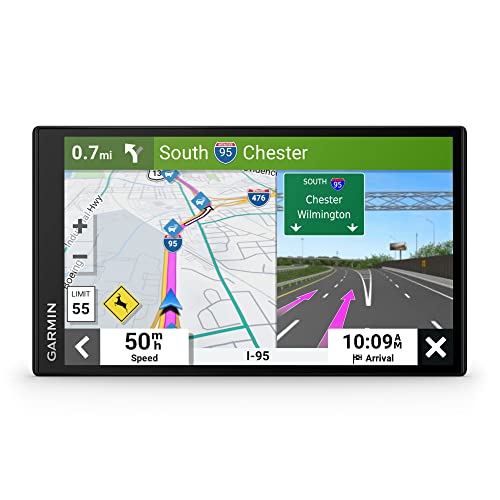
- 6-inch display with North America map updates
- Voice assist, hands-free calling, and Alexa Built-in
- Driver alerts plus connected traffic, fuel, and weather features
Best For: Daily drivers wanting a connected dedicated navigator
Best for Mileage Tracking
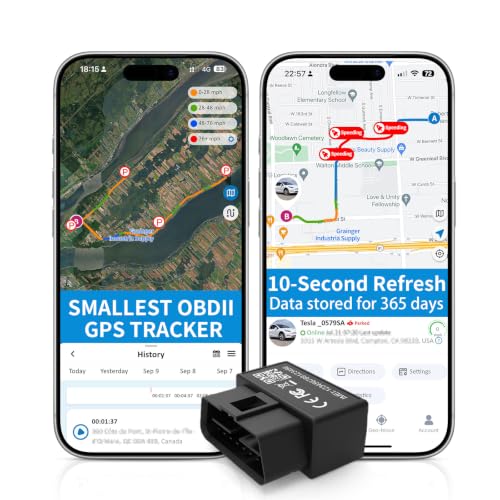
- Plugs into an OBDII port for quick installation
- 10-second tracking with app and web access
- Mileage reports, 12-month history, and driver alerts
Best For: Families, fleets, and business mileage tracking
- Nearly 7-inch display with North America map updates
- Voice assist, hands-free calling, and Wi-Fi updates
- Driver alerts and smartphone-connected travel information
Best For: Drivers who want a larger dedicated navigation screen
Best for Vehicle Health Monitoring
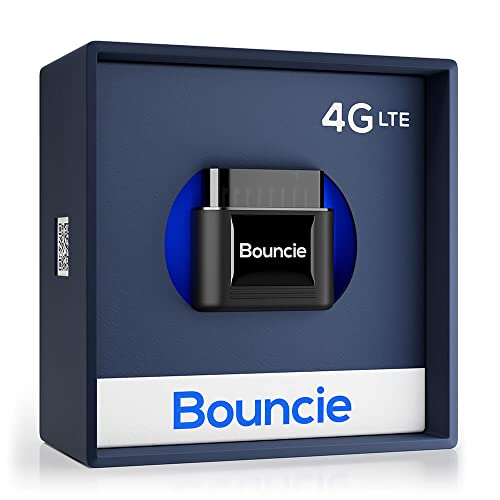
- OBD2 installation for most vehicles from 1996 onward
- Tracks trips, speed, braking, idle time, and driving patterns
- Adds diagnostic alerts, geofencing, and accident notifications
Best For: Families and fleets monitoring vehicles and drivers

- 2026 North America maps with lifetime free updates
- Voice guidance with lane-change and speed-zone alerts
- Custom routing for cars, trucks, and RVs
Best For: Drivers wanting a large screen and adaptable vehicle routing
Trusted Road Companion

- Bright 5-inch glass touchscreen
- Spoken directions with landmark guidance
- Driver alerts and roadside trip information
Best For: Everyday car drivers wanting compact, straightforward navigation
Connected Vehicle Monitor

- Plugs into the OBD port for easy installation
- Location, trip history, and driving reports
- Alerts for speeding, boundaries, harsh driving, and tampering
Best For: Vehicle owners needing ongoing tracking and driving monitoring
Versatile Route Planning

- 2026 North America maps with free lifetime updates
- Custom routing for cars, trucks, and RVs
- Large display with voice guidance and FM transmission
Best For: Drivers wanting a large dedicated navigator with flexible routing
Low-Cost Vehicle Security

- Works with Apple Find My and Google Find Hub
- No monthly fee or SIM card required
- IP68 waterproof design with up to 12-month battery life
Best For: Vehicle owners seeking simple location tracking without recurring costs
- Bright 5-inch glass touchscreen and North America maps
- Spoken directions with landmark guidance
- Driver alerts and route amenity information
Best For: Drivers wanting compact, straightforward Garmin navigation
The Garmin DriveSmart 66 is a practical choice for drivers who want dedicated navigation instead of relying entirely on a phone. Its 6-inch display, North America map updates, voice assist, driver alerts, and smartphone-connected traffic features make it well suited to daily driving and occasional road trips.
Best For: Daily commuters and road-trippers who want a feature-rich, connected car GPS device with a mid-size screen.
Pros:
- 6-inch high-resolution display with North America map updates
- Voice assist, hands-free calling, and Alexa Built-in when paired with a compatible smartphone
- Driver alerts, Wi-Fi updates, and access to traffic, fuel, parking, and weather information through the Garmin Drive app
- Includes road-trip resources such as Tripadvisor ratings, national parks, HISTORY sites, and Foursquare points of interest
Cons:
- Several connected features require a compatible smartphone and Garmin Drive app
- The 480 x 272 resolution is modest compared with many modern phone displays
The DriveSmart 66 balances a manageable size with a broad set of navigation and connected-driving features. It is especially appealing if you want hands-free controls and dedicated map guidance while keeping your phone available for other tasks.
Best for Mileage Tracking – Benbengo OBD GPS Tracker
The Benbengo OBD GPS Tracker is designed for monitoring a vehicle rather than providing turn-by-turn directions. It plugs into an OBDII port and combines 10-second location updates with mileage reports, trip history, and driver-behavior alerts, making it a useful alternative among car GPS devices for daily driving oversight.
Best For: Parents, small fleets, and business drivers who need location, mileage, speeding, and trip records.
Pros:
- Plug-and-play OBDII installation in a compact, lightweight design
- 10-second real-time refresh rate with app and web access
- Tracks speeding, hard braking, rapid acceleration, crashes, and geofence breaches
- Stores up to 12 months of trip data and supports mileage-report exports
Cons:
- Requires a subscription after the five-day free trial
- It is a tracking and reporting device, not a dedicated navigation screen
- Coverage excludes Venezuela, Cuba, and Aruba
This tracker is a strong fit when accountability, mileage documentation, or remote vehicle monitoring matters more than onboard navigation. Confirm the ongoing subscription cost and regional coverage before purchasing.
The Garmin DriveSmart 76 offers the same broad navigation approach as a smaller dedicated unit but with a nearly 7-inch screen. For daily driving, its North America maps, voice control, driver alerts, smartphone-connected live information, and easy Wi-Fi updates provide a convenient alternative to using a phone for navigation.
Best For: Drivers who prioritize a larger, easy-to-read display for commuting, road trips, and vehicle navigation.
Pros:
- Nearly 7-inch high-resolution touchscreen designed for easy reading
- Voice assist, hands-free calling, and Alexa Built-in with a compatible smartphone
- Offers driver alerts and connected traffic, fuel, parking, weather, and notification features
- Includes Tripadvisor, national parks, HISTORY, Foursquare, and Garmin Real Directions features
Cons:
- Connected services depend on pairing with a compatible smartphone and Garmin Drive app
- Larger body may take more dashboard or windshield space than a 6-inch navigator
- Its listed 480 x 272 resolution is relatively modest for the screen size
The DriveSmart 76 is the better Garmin option here for drivers who value screen size and glanceable guidance. Its feature set is broad, but shoppers should make sure their dashboard has room for the larger unit.
Best for Vehicle Health Monitoring – Bouncie GPS Tracker
The Bouncie GPS Tracker is an OBD2 telematics device for monitoring where a vehicle goes and how it is driven. It provides real-time location, unlimited trip history, driving insights, geofencing, accident notifications, and diagnostic engine data, making it useful for families and fleets seeking ongoing vehicle visibility.
Best For: Households and fleet operators who want route history, driving-behavior monitoring, geofencing, and vehicle-health alerts.
Pros:
- OBD2 plug-in installation works with most vehicles from 1996 and newer
- Tracks routes, addresses, speed, acceleration, hard braking, idle time, and driving patterns
- Monitors diagnostic engine data and sends potential maintenance alerts
- Supports geofencing, accident notifications, unlimited trip history, and Android, iOS, and desktop access
Cons:
- Requires a $9.65 monthly subscription
- It monitors and reports vehicle activity rather than providing turn-by-turn navigation
- Coverage is listed for North America, including the U.S., Canada, and Mexico
Bouncie stands out for combining location tracking with driving insights and vehicle-health information. It is a better match for monitoring a car after or between trips than for replacing a traditional dashboard navigator.
For drivers comparing car gps devices for daily driving, this 7-inch navigator emphasizes easy viewing, spoken directions, and flexible route planning. It includes built-in 2026 North America maps, lifetime free updates, and a plug-and-play windshield-mount setup.
Best For: Drivers who want a large screen and vehicle-specific routing for cars, trucks, or RVs.
Pros:
- 7-inch touchscreen with voice-guided turn and lane-change announcements.
- Includes 2026 North America maps and lifetime free map updates.
- Supports fastest, shortest, eco-friendly, and easiest route options.
- Truck and RV routing can account for height, width, and weight restrictions.
Cons:
- Map coverage is listed for North America only.
- Requires the included car power adapter for operation in the vehicle.
This is a practical choice when screen size and broad vehicle compatibility matter most. The built-in FM transmitter may also help make voice guidance easier to hear in a noisy cabin.
Trusted Road Companion – Garmin Drive 53
The Garmin Drive 53 is a compact option for shoppers seeking car gps devices for daily driving with a clear display and straightforward navigation. Its 5-inch glass touchscreen provides spoken directions, driver alerts, and detailed North America maps.
Best For: Everyday car drivers who prefer a compact Garmin navigator with landmark guidance and route alerts.
Pros:
- Bright, high-resolution 5-inch capacitive glass touchscreen.
- Provides spoken turn-by-turn directions with Garmin Real Directions landmark guidance.
- Alerts drivers to school zones, speed changes, and sharp curves.
- Shows food, fuel, rest areas, milestones, and Tripadvisor-rated attractions along routes.
Cons:
- The display is smaller than the 7-inch navigator in this roundup.
- Listed battery life is approximately one hour.
- Designed for cars rather than trucks or RVs.
With simple on-screen menus and a dashboard or windshield mounting option, the Drive 53 suits drivers who value an established navigation interface and useful roadside context over a larger display.
Connected Vehicle Monitor – Optimus OBD GPS Tracker
Unlike turn-by-turn navigators, the Optimus OBD tracker is aimed at drivers and vehicle owners comparing car gps devices for daily driving as monitoring tools. It plugs into the vehicle’s OBD port and uses cellular connectivity to provide location, driving history, alerts, and reports through apps or a web browser.
Best For: Families, owners, or managers who need ongoing vehicle location and driving-behavior monitoring.
Pros:
- Easy OBD installation with an extension cable included.
- Tracks location, address, speed, trips, and driving history through phone or browser access.
- Offers movement, speeding, boundary, harsh-driving, and disconnection alerts.
- Includes SIM card and data service for coverage in the USA and Canada.
Cons:
- Requires a $12.95 monthly tracking service.
- It is a monitoring tracker, not a standalone voice-guided navigation device.
- Tracking depends on cellular connectivity and an active service plan.
This model makes the most sense when visibility into vehicle use matters more than on-screen route guidance. Its reports and alerts can help monitor trips, speeding, aggressive driving, and unauthorized movement.
For drivers who want dedicated car GPS devices for daily driving, this 7-inch navigator combines a large touchscreen with 2026 North America maps and free lifetime updates. It also supports customized routing for cars, trucks, and RVs, making it useful for both routine commutes and larger-vehicle travel.
Best For: Drivers who want a large display, vehicle-specific routing, and no-cost map updates.
Pros:
- Preloaded 2026 maps for the United States, Canada, and Mexico with free lifetime updates.
- Customizable routing based on vehicle height, weight, and width.
- 7-inch HD touchscreen with day/night modes, multiple route options, and FM audio transmission.
Cons:
- Its larger 7-inch format may take up more dashboard space than a compact navigator.
- Software update support timing is not specified in the supplied details.
This is a feature-rich choice for daily drivers who prefer a dedicated screen and want routing options that can accommodate different vehicle sizes.
Low-Cost Vehicle Security – No-Subscription Car Tracker
This compact tracker is a different take on car GPS devices for daily driving: rather than providing turn-by-turn navigation, it helps you locate a vehicle through Apple Find My or Google Find Hub. It requires no monthly subscription or SIM card and can be discreetly placed in a car, truck, or motorcycle.
Best For: Owners who want affordable location tracking and anti-theft awareness without recurring fees.
Pros:
- Works with both iPhone and Android through Apple Find My or Google Find Hub.
- No monthly subscription, SIM card contract, activation fee, or separate tracking app is required.
- Compact, IP68-rated waterproof design with a battery rated for up to 12 months.
Cons:
- It is a locator, not a turn-by-turn navigation device.
- Tracking depends on the compatible phone network and Bluetooth-based connectivity described in the product details.
Choose this model when the priority is keeping tabs on a vehicle or valuable rather than receiving driving directions. Its small size and long stated battery life make discreet placement practical.
The Garmin Drive 53 is a straightforward option among car GPS devices for daily driving, with a bright 5-inch glass touchscreen, detailed North America maps, and simple on-screen menus. Spoken directions, landmark guidance, and driver alerts help provide practical assistance on commutes and longer road trips.
Best For: Drivers who prefer a recognizable dedicated navigator with clear maps and simple controls.
Pros:
- High-resolution capacitive touchscreen with easy-to-see maps and simple menus.
- Driver alerts cover school zones, speed changes, sharp curves, and more.
- Includes spoken turn-by-turn directions, landmark guidance, route amenities, and Tripadvisor ratings.
Cons:
- This renewed unit includes a 90-day limited warranty.
- The display is smaller than the 7-inch navigator in this roundup.
- Its listed battery life is approximately one hour.
The Drive 53 is a sensible fit for buyers who value Garmin’s familiar navigation features and a compact display. As a renewed product, its shorter warranty is an important consideration.
How We Picked These Car Gps Devices for Daily Driving
We selected products across the main categories shoppers consider: dedicated dashboard navigators, plug-in OBD trackers, and compact location devices. We looked at screen size, map clarity, voice guidance, installation, alert features, tracking updates, ongoing fees, and suitability for ordinary commuting. Because navigation and tracking solve different problems, the right choice depends on whether you need turn-by-turn directions, vehicle visibility, or both.
Features and pricing can vary by seller, software version, cellular coverage, and subscription plan. Confirm current map coverage, compatibility, and required fees before buying.
Quick Comparison
| Type | Best For | Main Advantage | Potential Trade-Off |
|---|---|---|---|
| Dedicated GPS navigator | Frequent drivers and road trips | Large maps and turn-by-turn guidance without relying entirely on a phone | Requires dashboard or windshield placement and periodic map updates |
| OBD GPS tracker | Vehicle monitoring and driving reports | Simple plug-in installation with location, speed, or mileage data | May require a monthly service plan |
| Compact vehicle tracker | Basic location checking | Small, discreet form factor | Features, network support, and subscription terms vary widely |
Key Buying Factors for Car Gps Devices for Daily Driving
A dedicated navigator is the better fit for live route guidance, visible maps, lane or driver alerts, and voice directions. A tracker is designed to show where a vehicle is or report driving activity; it generally does not replace a full navigation device.
Screen Size and Readability
Six-inch screens balance visibility and dashboard space, while seven-inch models are easier to read at a glance in larger vehicles. Look for bright displays, clear map graphics, responsive touch controls, and menus that do not distract from driving.
Installation and Connectivity
Standalone navigators typically mount in the vehicle and use stored or downloadable maps. OBD units plug into the diagnostic port, making setup easy but potentially exposing the device. Check whether a tracker needs cellular service, a SIM, an app, or a subscription. “No monthly fee” claims should be verified against the product’s exact connectivity method.
Updates, Alerts, and Reports
Map updates matter if roads, addresses, or points of interest change frequently. For trackers, compare update intervals and the usefulness of mileage, speeding, geofence, ignition, and low-battery alerts. Faster reporting can use more power or require an active service plan.
Who Should Buy Which Car Gps Devices for Daily Driving?
- Choose a Garmin Drive navigator if you want dependable turn-by-turn directions, an easy-to-read screen, and voice-assisted routing for commuting or travel.
- Choose a seven-inch navigator if you drive a truck, RV, or work vehicle and prefer larger on-screen maps.
- Choose an OBD tracker if monitoring location, mileage, speed, or driving behavior matters more than route guidance.
- Choose a compact or subscription-free tracker if you want basic vehicle-location visibility with minimal installation, but confirm network and app compatibility first.
- Choose a renewed navigator when value is the priority and you are comfortable checking condition, warranty coverage, included accessories, and update support.